CCL & Copper Foil Price Increases

When copper moves, your board price moves with it. Copper-clad laminate (CCL) and the foil laminated to it are the single largest material line in most PCB fabrication quotes — and both have been anything but stable.
Why CCL leads the cost stack
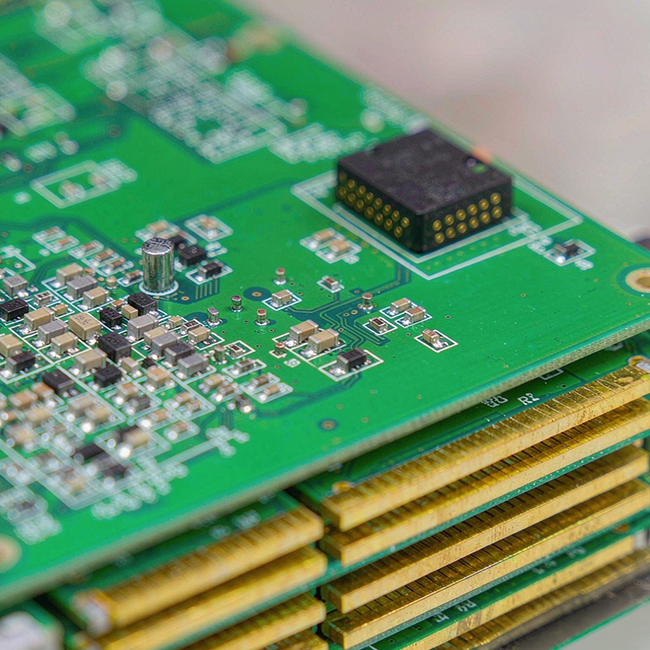
A typical multilayer board is mostly resin and glass — but the signal and power layers are copper foil bonded to CCL. As foil thickness and layer count rise, the copper share of material cost climbs past 40%. When LME copper climbs, laminate mills reprice within weeks.
Unlike components, laminate is not a catalog item you can stock from ten distributors. Mill allocations and lead times mean price changes arrive as a wave, not a ripple.
Reading the passthrough
A 10% move in copper foil typically translates to a 3–5% move in finished board price for standard 1–2 oz designs — more for heavy copper.
- Track the LME copper index and the major laminate makers' monthly price letters.
- Ask your fabricator for a copper-linked clause or a quoted validity window (often 15–30 days).
- Standardize on fewer laminate grades to improve bargaining leverage and buffer stock.
Buffer planning that actually works
The cheapest hedge is design stability: freezing a stack-up lets you buy laminate forward. For volatile programs, agree a rolling price band with your EMS partner so neither side absorbs a shock alone.
Where possible, hold 60–90 days of laminate for your top SKUs. The carrying cost is usually smaller than a single unplanned price spike.
Key takeaways
Key Takeaways
- Copper foil is the dominant material cost driver in most PCB quotes.
- Laminate repricing lags the copper index by weeks, then arrives in waves.
- Design freeze, grade standardization and forward buying beat reactive re-quoting.