Green Factory Certification

'Green' is a word that gets attached to everything. A Green Factory certification, though, is a measured standard — energy per unit, water reuse, waste separation and emissions are audited, not asserted. Here is what it changes for your program.
What the audit actually measures
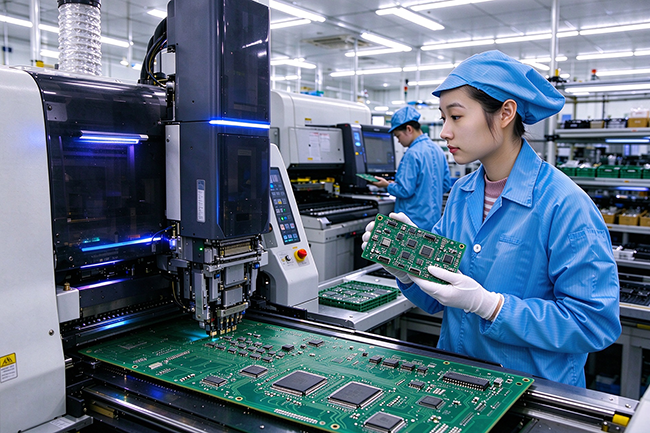
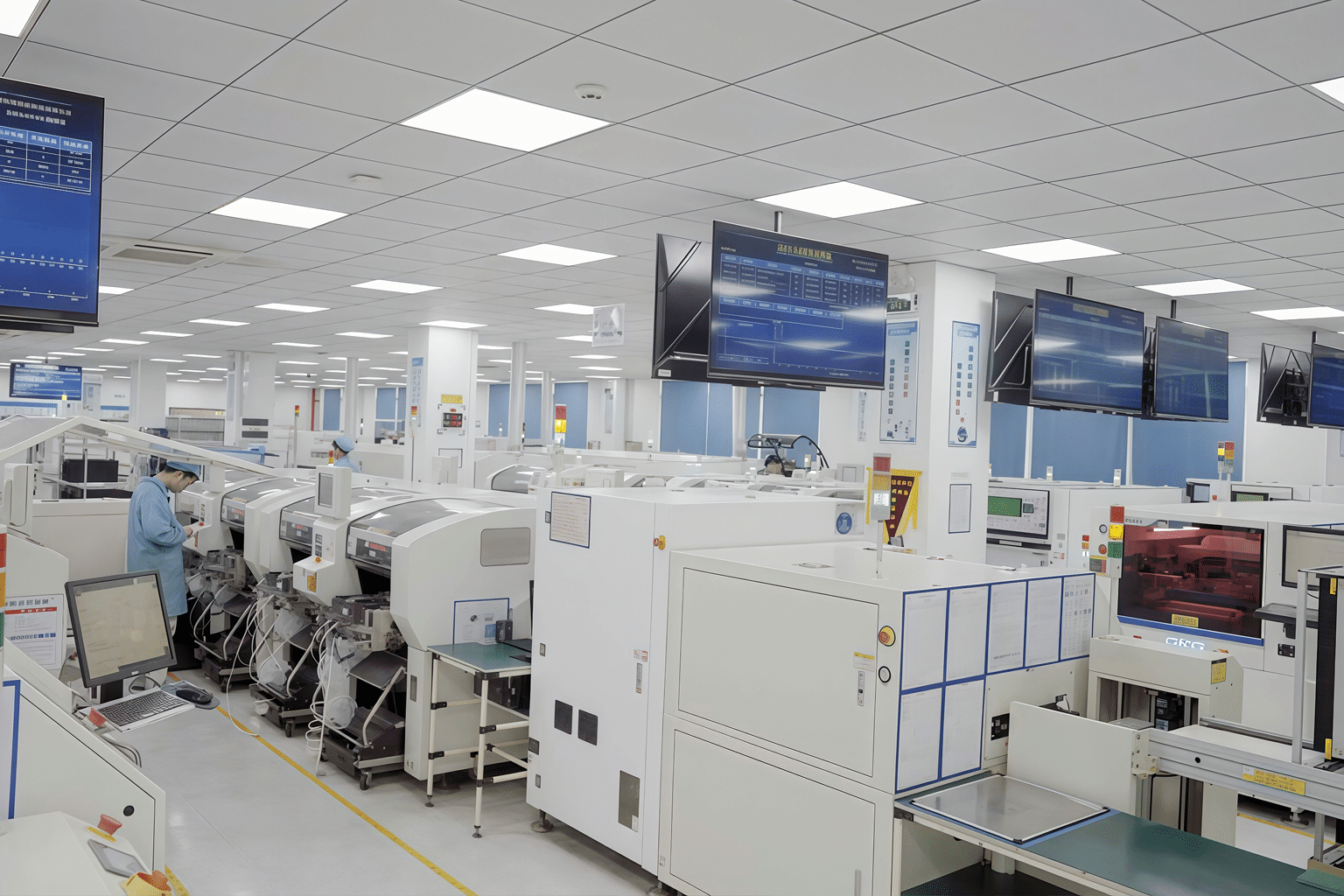
The recognition scores a plant on energy intensity, renewable share, water recycling, hazardous-waste handling and carbon accounting. It is renewed through evidence, not paperwork. For an EMS partner, it forces the boring-but-real discipline of metering every process.
- Energy per produced unit (kWh/board)
- On-site renewable generation and green-power procurement
- Closed-loop water reuse in wet processes
- Segregated, certified hazardous-waste streams
Why it matters to your ESG report
Scope 3 emissions — those from your suppliers — are the largest and least controlled slice of most electronics brands' footprints. A certified green manufacturing partner lets you report upstream emissions with audited numbers instead of estimates.
Beyond the plaque
Certification is a floor, not a ceiling. We publish internal per-unit energy trends to customers on request, because the point is continuous reduction, not a one-time badge. Lead-free process control and solvent recovery are now standard on our lines.
Key takeaways
Key Takeaways
- Green Factory status is audited on energy, water, waste and carbon — not claimed.
- It strengthens your Scope 3 reporting with verified upstream data.
- Treat it as a baseline for continuous reduction, not a finish line.