IPC Class 2 vs Class 3: What Buyers Should Know
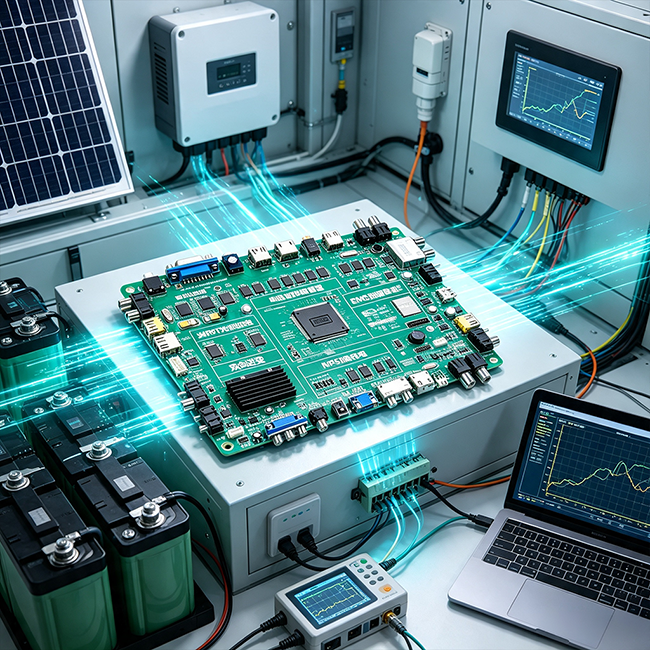
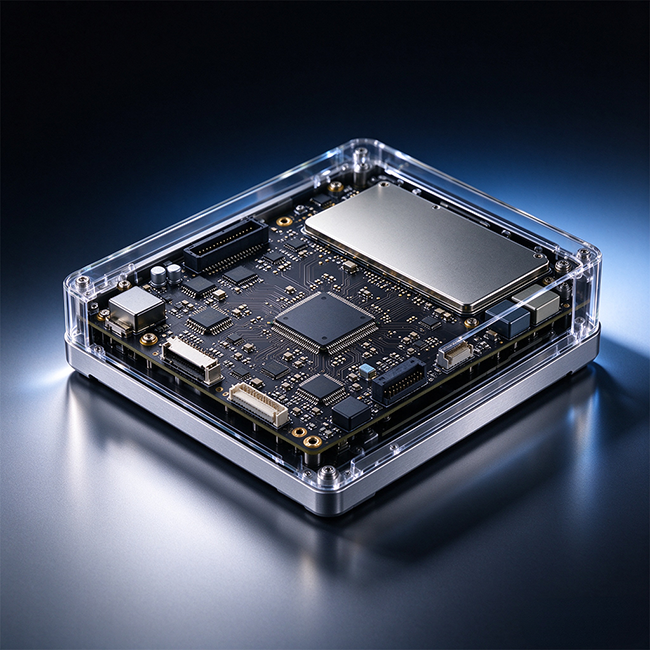
Class 2 covers general electronic products; Class 3 covers life-support and high-reliability gear. The gap shows up in hole fill, annular ring and cosmetic limits — and in price.
Where the classes diverge
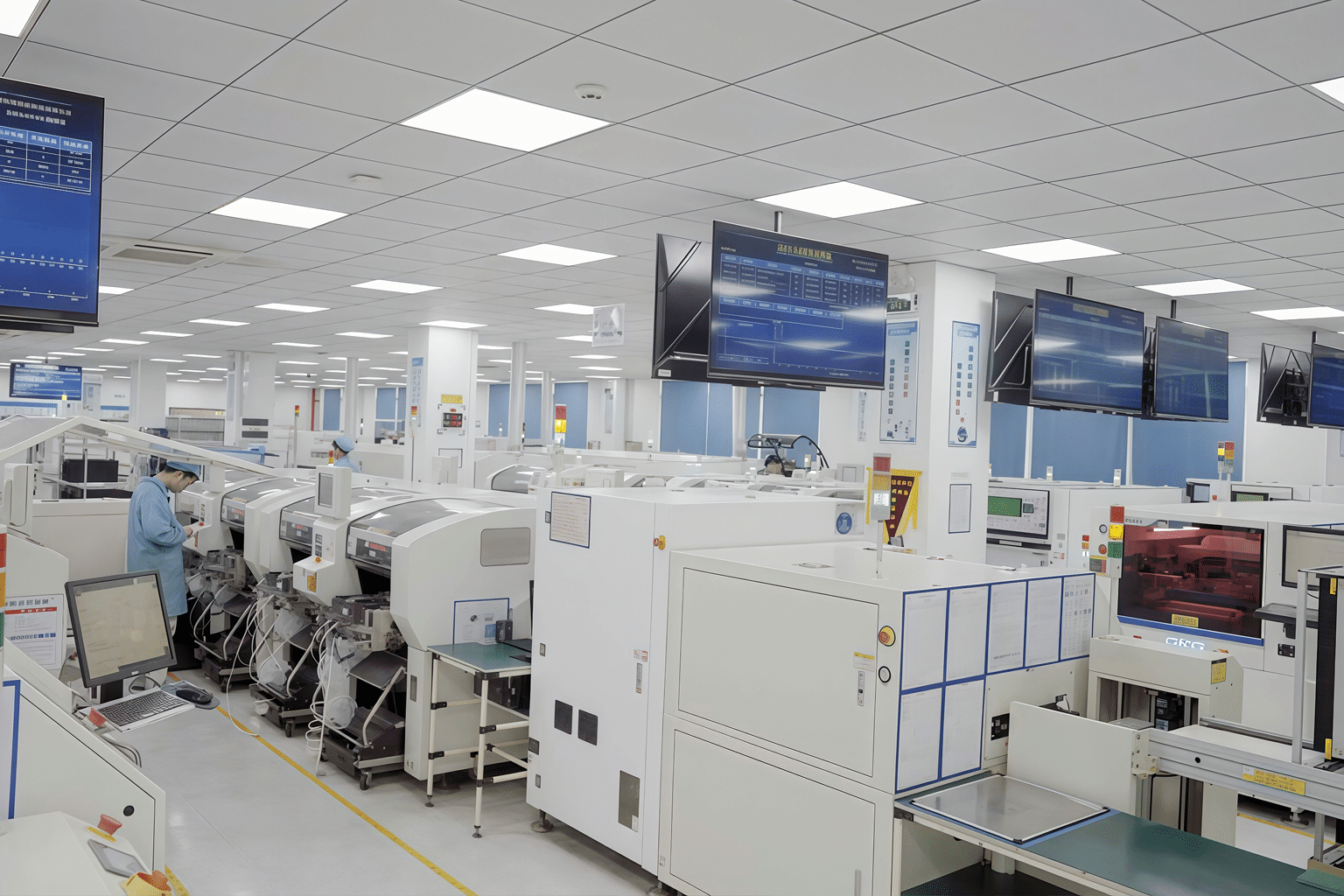
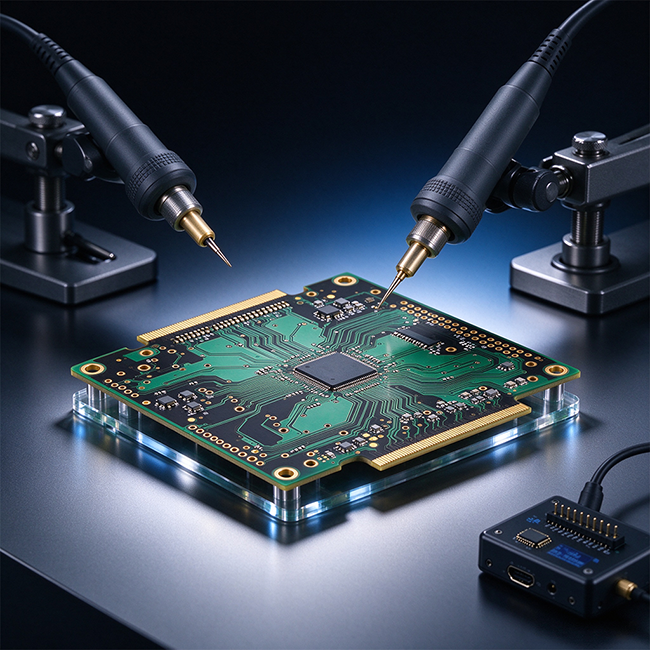
Class 3 demands tighter annular rings, higher barrel fill and stricter conductor spacing. A shop quoting Class 3 must prove it with process control.
Cost of going Class 3
Expect 15–40% higher cost on complex boards: more inspection, lower yield tolerance, extra documentation.
Choosing
If the board is not life-critical, Class 2 is usually enough. Over-specifying Class 3 burns budget with no field benefit.
Key Takeaways
Key Takeaways
- Class 3 costs more; only specify it when reliability demands it.
- Confirm the shop actually holds Class 3 process control.
- Match the class to the product risk, not the habit.