IPC-A-610 Acceptance Criteria
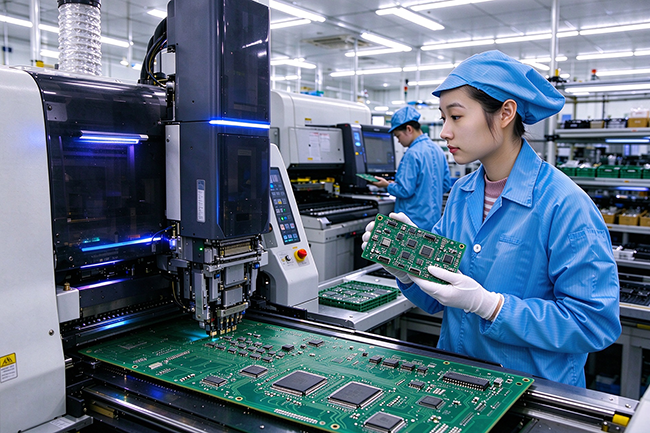
IPC-A-610 is the document every electronics quality manager cites — and the one few read past the cover. Knowing what it actually demands turns a vague 'good solder joint' into a measurable, trainable standard.
Three classes, three expectations
The standard defines Class 1 (general), Class 2 (dedicated service) and Class 3 (high-reliability, such as automotive and medical). The same joint can pass Class 2 yet fail Class 3 on fillet height or heel fillet. Knowing your required class prevents both over-building and under-building.
- Class 1 — general electronic products
- Class 2 — dedicated service, longest commercial life
- Class 3 — high-reliability, mission-critical
What a good joint requires
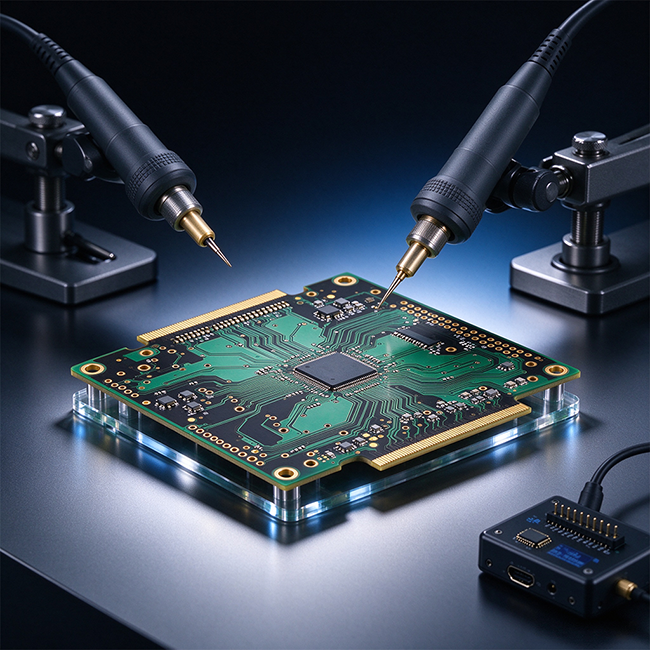
Acceptable solder joints show complete wetting, fillet dimensions within table limits, no cracks, no dewetting, and no foreign material or solder balls in violation. The criterion is geometrical and visual — not a shininess contest. We train operators with magnified reference boards, not slide decks.
Training and auditing at KOMKIA
Every line operator is IPC-certified to the class your product needs and re-certified annually. Supervisors run random first-article and in-process audits, and escape data feeds back into AOI tuning. The standard lives on the line, not on a shelf.
Key takeaways
Key Takeaways
- Class 1/2/3 set different accept limits for the same joint.
- Acceptance is geometrical and visual — defined fillets, no cracks.
- Certify and re-audit operators; keep the standard on the line.